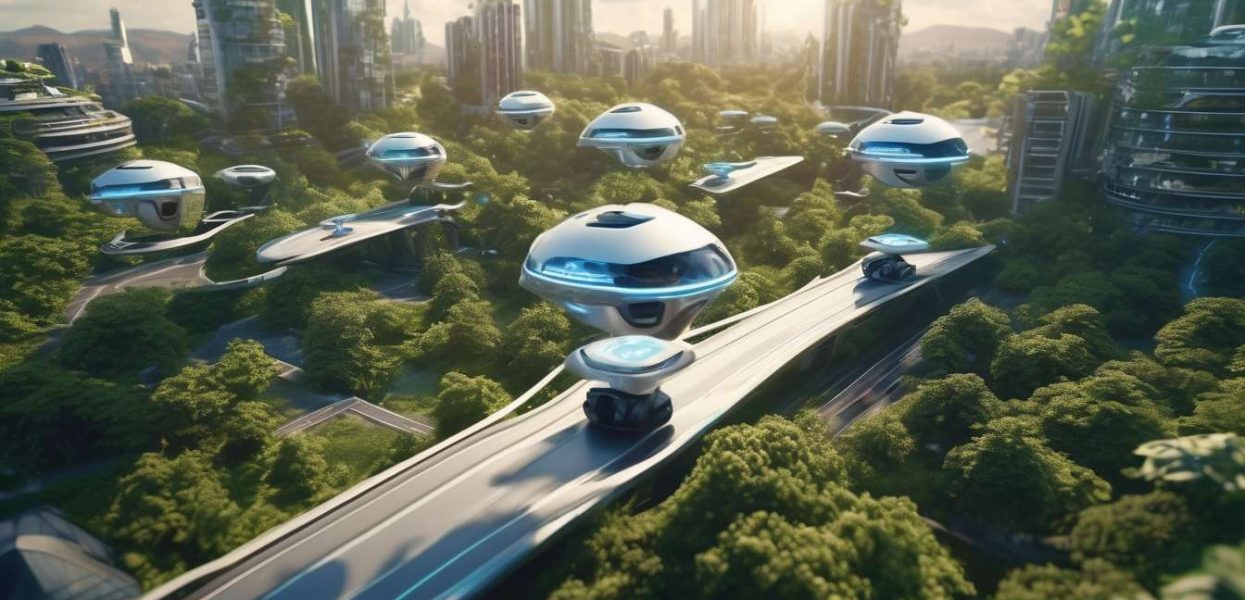
Rising global demand for more sustainable and efficient transportation solutions presents a significant challenge for modern industries. Traditional combustion engines contribute to environmental concerns, creating a pressing need to explore alternative solutions that can meet contemporary sustainability targets.
The transition to air and electric motor technologies offers a promising avenue to address these issues, providing both environmental and economic benefits.
- Air-powered alternatives, although not yet mainstream, present innovative potentials in reducing emissions and fuel dependency.
- The adoption of electric motors, particularly in the automotive sector, aligns well with the push towards renewable energy sources.
This technological shift is not only crucial for reducing carbon footprints but also essential in maintaining competitive advantages in global markets.
As industries pivot towards integrating air and electric solutions, addressing the associated infrastructure, cost, and scalability challenges becomes imperative for a successful transition.
Consequently, comprehensive strategies are required to facilitate widespread adoption and ensure sustainable growth.
By leveraging its expertise in sustainable industrial solutions, Atlas Copco plays a pivotal role in supporting industries throughout this transformative journey.
Environmental Challenges of Traditional Engines
Traditional Engines and Environmental Pollution
Traditional engines significantly contribute to environmental pollution through emissions of harmful gases and particulate matter. These engines release:
- Carbon dioxide
- Nitrogen oxides
- Volatile organic compounds
Together, these emissions exacerbate air quality issues and contribute to climate change. The combustion process inherent to traditional engines is a primary source of these emissions, presenting significant environmental challenges that call for immediate attention and collective action.
Transition to Cleaner Technologies
As communities strive to improve environmental standards, the transition to electric motors and air power technologies becomes increasingly vital.
-
Electric Motors:
- Offer a cleaner alternative by eliminating tailpipe emissions.
- Reduce the overall carbon footprint associated with transportation and industrial activities.
-
Air Power:
- Presents a promising avenue for reducing dependency on fossil fuels.
- Addresses the pressing need to curtail pollutants.
Innovative Solutions and Adaptation
Addressing these challenges requires innovative solutions and widespread adaptation of sustainable technologies. The integration of electric motors and air power is essential in mitigating the environmental impact of traditional engines, fostering a cleaner and healthier environment.
Promising Shift to Air and Electric
The growing shift towards air and electric technologies marks a significant step forward in reducing the environmental impact of traditional engines. This transition holds promise for a more sustainable future by addressing pressing environmental challenges.
Electric motors are known for their efficiency and minimal emissions, offering a cleaner alternative to combustion engines. Their increasing adoption reflects a collective commitment to a healthier planet and a shared vision for sustainable progress.
Air power also emerges as a vital component in this transformative shift. By harnessing renewable energy sources, air power technologies reduce reliance on fossil fuels, thereby contributing to a reduction in greenhouse gas emissions. This approach aligns with global efforts to combat climate change and build a sustainable energy infrastructure.
Embracing air and electric solutions not only addresses immediate environmental concerns but also fosters innovation and economic growth. As industries and communities unite in this endeavor, a shared sense of purpose and belonging can be cultivated, reinforcing collective efforts to create a cleaner, more sustainable world.
Innovative Potential of Air Power
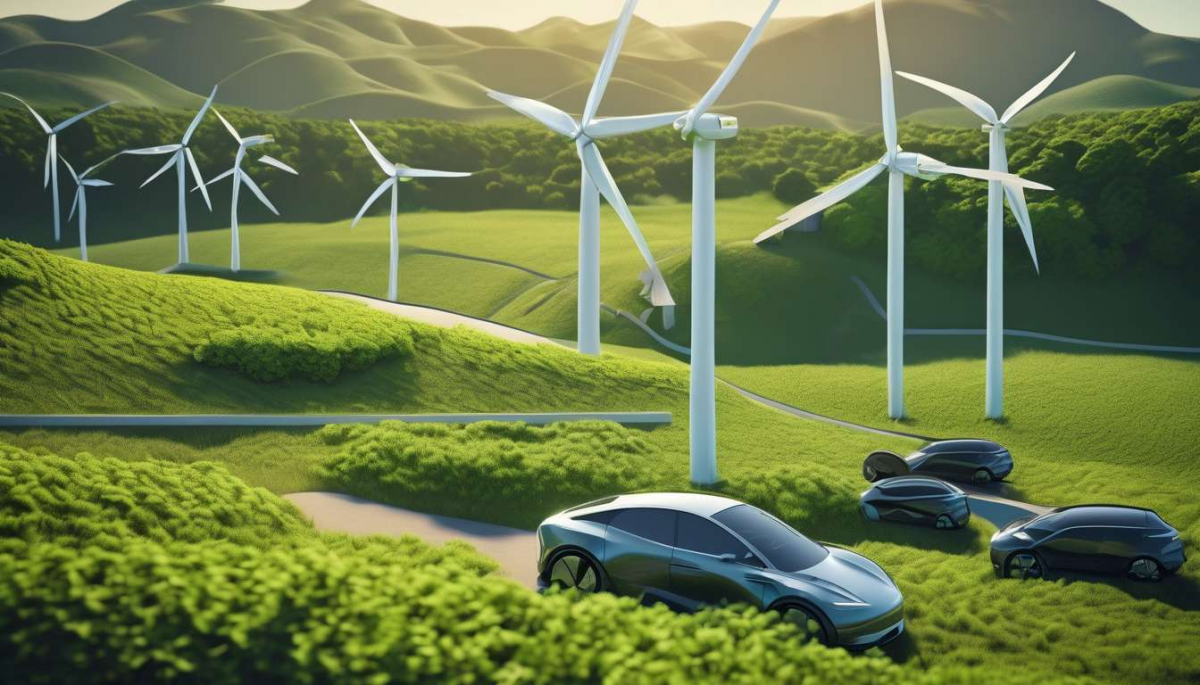
Air power technologies present a myriad of innovative opportunities to revolutionize energy systems by utilizing renewable resources and reducing carbon footprints. As society increasingly seeks sustainable solutions, air power emerges as a promising candidate, offering efficient alternatives to traditional energy sources. By harnessing the natural properties of air, these technologies can significantly address environmental challenges, contributing to a cleaner and more sustainable future.
Integration with Electric Motors
One significant advantage of air power lies in its integration with electric motors, which can enhance efficiency and performance in various applications. The synergy between air power and electric motors exemplifies a forward-thinking approach to energy consumption, potentially reducing reliance on fossil fuels. This harmonious blend supports the global shift towards renewable energy and fosters a sense of community in striving for a shared goal of environmental preservation.
Collaboration and Development
The continuous development of air power technologies encourages like-minded individuals and industries to collaborate, pushing the boundaries of what is possible in the pursuit of sustainable energy solutions.
- Encourages innovation
- Promotes industry partnerships
- Advances sustainable technology
By working together, these efforts contribute to a future where energy systems are both efficient and environmentally friendly.
Electric Motors in Automotive Sector
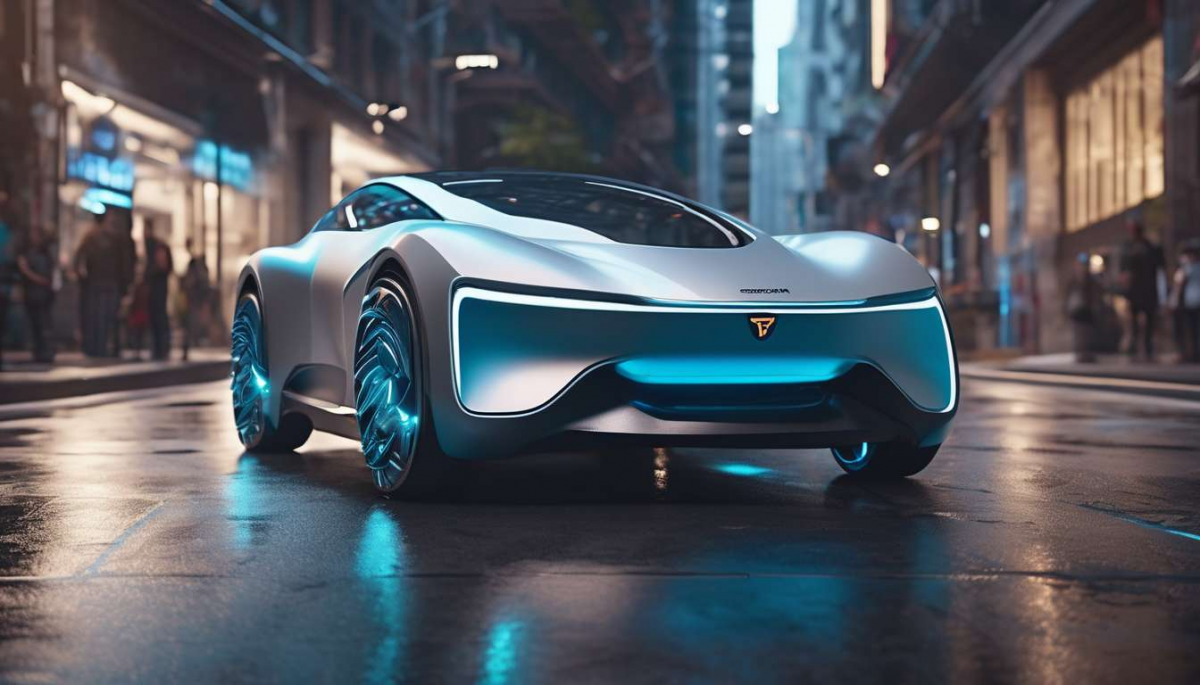
In the automotive sector, the widespread adoption of electric motors is driving a transformative shift towards more sustainable and efficient transportation solutions. The integration of electric motors addresses critical environmental challenges by:
- Reducing emissions
- Decreasing reliance on fossil fuels
As electric vehicles become more prevalent, the industry reflects a collective commitment to a cleaner future, aligning with global sustainability goals.
The synergy between electric motors and air power technologies offers a promising avenue for overcoming existing limitations. While electric motors provide efficient propulsion, air power systems can enhance:
- Energy recovery
- Storage capabilities
This dual approach signifies a holistic strategy to mitigate environmental impacts and optimize energy usage.
The automotive industry recognizes the necessity for innovative solutions to meet evolving consumer expectations and regulatory requirements. By embracing electric motors, the sector not only advances technological innovation but also fosters a sense of:
- Community
- Shared responsibility among manufacturers, consumers, and policymakers
The goal is to aim for a sustainable and inclusive future.
Importance of Technological Transition
A successful technological transition in the automotive industry is crucial for achieving significant reductions in carbon emissions and enhancing energy efficiency. Embracing electric motors and air power is essential to address current environmental challenges, as these technologies offer cleaner alternatives to traditional internal combustion engines.
The Shift Towards Electric Motors:
- Provides a pathway to a more sustainable future.
- Reduces dependency on fossil fuels.
- Diminishes the carbon footprint of transportation.
Integration of Air Power:
- Diversifies energy sources.
- Improves energy conservation.
As the automotive sector evolves, the adoption of these technologies fosters a sense of collective responsibility and progress within the community, aligning with global sustainability goals.
Importance of Technological Transition:
- Transforms the industry with innovative solutions.
- Meets environmental challenges head-on.
- Ensures that communities worldwide benefit from cleaner air and more efficient energy use.
This transition is pivotal in paving the way for a sustainable and environmentally-responsible future.
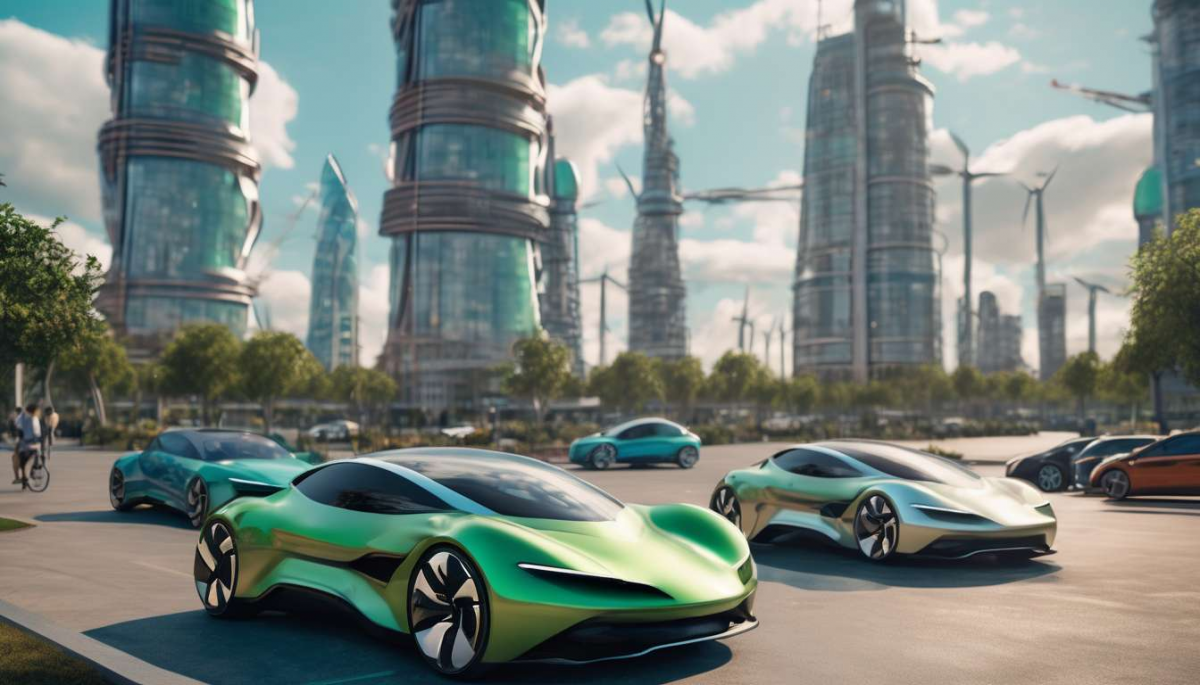
Overcoming Infrastructure and Cost Barriers
Addressing infrastructure and cost barriers is essential for accelerating the adoption of sustainable transportation technologies. The transition to electric motors and air power solutions presents unique environmental challenges, necessitating a collaborative approach from both public and private sectors.
Infrastructure Development:
- Establishing robust infrastructure such as charging stations and air compression facilities is crucial to support widespread use.
Financial Support:
- Financial incentives and subsidies can alleviate initial cost burdens, making these technologies more accessible to a broader audience.
Investment in Research and Development:
- Investment can drive down production costs, facilitating the integration of electric motors and air power into mainstream vehicles.
- Collaborative efforts among industry stakeholders can:
- Foster innovation
- Share best practices
- Ensure solutions are both efficient and economically viable
Collective Commitment:
Overcoming these barriers requires a collective commitment to sustainability, fostering a sense of community and belonging among those dedicated to environmental stewardship.
By addressing infrastructure and cost challenges, society can pave the way for a cleaner, more sustainable future in transportation.